

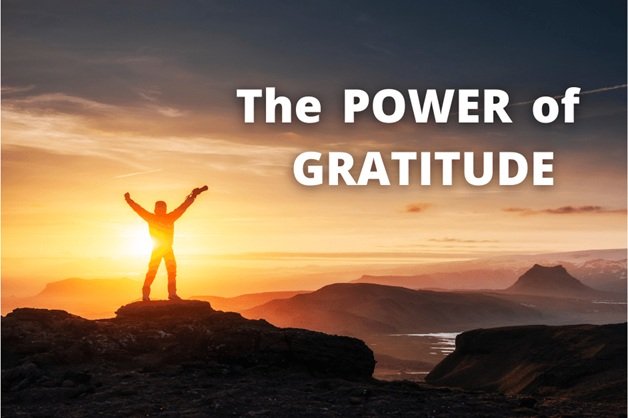
Gratitude is one of the simplest yet most powerful emotions a human can experience. The phrase “Thanks It” may sound small, but it carries deep meaning when applied in daily life. It represents appreciation, acknowledgment, and respect for everything we receive—whether big or small. In today’s fast-paced world, people often forget to pause and say thanks. However, practicing gratitude can transform relationships, improve mental health, and create a more positive mindset.
“Thanks It” is not just about saying thank you to others; it is also about recognizing life’s blessings. It can be directed toward people, situations, nature, or even personal achievements. When gratitude becomes a habit, it changes how we see the world and how the world responds to us.
Understanding the Meaning of Thanks It
“Thanks It” can be interpreted as a mindset rather than just a phrase. It means appreciating every experience and finding value in both success and failure. When people adopt this mindset, they begin to notice small moments of happiness that were previously ignored.
Gratitude encourages mindfulness. Instead of focusing on what is missing, it shifts attention to what is already present. This creates a sense of contentment and reduces stress. People who practice gratitude regularly tend to feel more satisfied with their lives and have stronger emotional resilience.
Why Gratitude Matters in Daily Life
Gratitude plays an essential role in shaping our emotional well-being. When we consciously practice saying “Thanks It,” we develop a positive attitude toward life. This attitude helps us handle challenges more effectively.
There are several reasons why gratitude matters:
• It improves mental health by reducing anxiety and depression
• It strengthens relationships by expressing appreciation
• It increases happiness and life satisfaction
• It helps build emotional strength during difficult times
• It encourages a positive outlook on life
People who regularly express gratitude often report feeling more connected to others and more at peace with themselves.
The Psychological Impact of Thanks It
From a psychological perspective, gratitude activates positive emotions in the brain. When someone says “Thanks It,” their brain releases chemicals like dopamine and serotonin. These chemicals are responsible for feelings of happiness and well-being.
Gratitude also reduces negative thinking patterns. When people focus on what they are thankful for, they spend less time worrying about problems. This shift in thinking leads to improved mental clarity and emotional balance.
Benefits of Practicing Thanks It
Practicing gratitude brings numerous benefits that affect different aspects of life. Below is a table summarizing some key benefits:
| Area of Life | Benefits of Thanks It |
| Mental Health | Reduces stress and anxiety |
| Relationships | Builds trust and strengthens bonds |
| Physical Health | Improves sleep and overall well-being |
| Career Growth | Enhances teamwork and motivation |
| Personal Growth | Increases self-awareness and positivity |
These benefits show that gratitude is not just an emotion but a powerful tool for self-improvement.
How to Practice Thanks It in Everyday Life
Developing a habit of gratitude does not require major changes. Simple actions can make a big difference. Here are some practical ways to practice “Thanks It”:
• Start your day by thinking of three things you are grateful for
• Express appreciation to people around you regularly
• Keep a gratitude journal to record positive experiences
• Reflect on challenges and find lessons in them
• Practice mindfulness and stay present in the moment
Consistency is key. The more you practice gratitude, the more natural it becomes.
Thanks It in Relationships
Relationships thrive on appreciation and respect. When people express gratitude toward their friends, family, or colleagues, it strengthens emotional connections. Saying “Thanks It” in relationships shows that you value the other person’s efforts and presence.
Small gestures of gratitude can have a big impact. A simple thank you message, a kind word, or a thoughtful action can improve communication and build trust. Over time, this creates a supportive and positive environment.
Thanks It in Professional Life
Gratitude is equally important in the workplace. Employees who feel appreciated are more motivated and productive. Leaders who express gratitude create a positive work culture that encourages collaboration and innovation.
In professional settings, “Thanks It” can be practiced by:
• Recognizing team achievements
• Appreciating colleagues’ efforts
• Providing positive feedback
• Celebrating milestones
A workplace built on gratitude fosters better teamwork and higher job satisfaction.
Overcoming Challenges with Gratitude
Life is not always easy, and challenges are inevitable. However, gratitude can help people cope with difficult situations. When individuals focus on what they still have, they gain strength to face hardships.
“Thanks It” does not mean ignoring problems. Instead, it means acknowledging difficulties while still appreciating the positive aspects of life. This balanced approach helps build resilience and emotional stability.
The Long-Term Impact of Thanks It
Over time, practicing gratitude can lead to significant life changes. People who adopt a “Thanks It” mindset often experience:
• Greater emotional stability
• Stronger relationships
• Increased happiness
• Improved self-confidence
• A more optimistic outlook
These long-term benefits show that gratitude is not just a temporary feeling but a lifelong habit that can transform one’s life.
FAQs About Thanks It
1. What does “Thanks It” really mean?
“Thanks It” represents a mindset of gratitude and appreciation. It goes beyond simply saying thank you. It involves recognizing the value of every experience, whether positive or negative. When someone adopts this mindset, they begin to see life from a more positive perspective. Instead of focusing on what is lacking, they appreciate what they already have. This shift in thinking can improve emotional well-being and create a sense of contentment. Practicing “Thanks It” regularly helps build stronger relationships and promotes mental peace. It is a simple yet powerful concept that encourages people to live more mindfully and appreciate life’s small moments.
2. How can I start practicing gratitude daily?
Starting a gratitude practice is simple and does not require much effort. You can begin by setting aside a few minutes each day to reflect on things you are thankful for. Writing them down in a journal can help reinforce this habit. Another way is to express appreciation to people around you, whether through words or actions. Even small gestures, like saying thank you or acknowledging someone’s effort, can make a difference. Over time, these practices become natural, and gratitude becomes a part of your daily routine. Consistency is important, so try to practice gratitude regularly to see long-term benefits.
3. Can gratitude improve mental health?
Yes, gratitude has a significant impact on mental health. It helps reduce stress, anxiety, and negative thinking patterns. When people focus on what they are thankful for, they shift their attention away from worries and problems. This creates a more positive mindset and improves emotional balance. Gratitude also encourages mindfulness, helping individuals stay present in the moment. Research shows that people who practice gratitude regularly experience higher levels of happiness and lower levels of depression. By adopting a “Thanks It” mindset, individuals can improve their overall mental well-being and lead a more fulfilling life.
4. How does gratitude affect relationships?
Gratitude plays a crucial role in building and maintaining strong relationships. When people express appreciation, it makes others feel valued and respected. This strengthens emotional bonds and improves communication. Small acts of gratitude, such as saying thank you or acknowledging someone’s effort, can have a big impact. Over time, these actions create trust and mutual respect. Relationships built on gratitude are more positive and supportive. Whether in personal or professional settings, practicing “Thanks It” helps create a healthy and harmonious environment where people feel connected and appreciated.
5. Is it possible to be grateful during difficult times?
Yes, it is possible to practice gratitude even during challenging situations. While it may seem difficult, focusing on what you still have can provide strength and comfort. Gratitude does not mean ignoring problems; it means finding balance and recognizing positive aspects despite difficulties. This mindset helps build resilience and emotional strength. By practicing “Thanks It,” individuals can cope better with stress and maintain a positive outlook. Over time, this approach can make it easier to handle challenges and find meaning in difficult experiences.
6. Can gratitude improve physical health?
Gratitude can have a positive impact on physical health as well. People who practice gratitude often experience better sleep, lower stress levels, and improved overall well-being. When the mind is calm and positive, the body also benefits. Reduced stress can lead to better heart health and a stronger immune system. Additionally, grateful individuals are more likely to engage in healthy habits, such as regular exercise and proper self-care. By adopting a “Thanks It” mindset, individuals can improve both their mental and physical health over time.
7. How long does it take to see the benefits of gratitude?
The benefits of gratitude can be noticed in a short time, but long-term practice brings more significant results. Some people may feel happier and more positive within a few days of practicing gratitude. However, to experience lasting changes, it is important to make gratitude a regular habit. Consistency is key. Over weeks and months, individuals may notice improvements in their mood, relationships, and overall outlook on life. By continuously practicing “Thanks It,” gratitude becomes a natural part of life, leading to long-lasting happiness and personal growth.
Conclusion
“Thanks It” is more than just a phrase; it is a way of life. By practicing gratitude, individuals can improve their mental health, strengthen relationships, and develop a positive outlook. In a world filled with challenges, gratitude provides a sense of balance and peace. When people learn to appreciate what they have, they unlock the true potential of happiness.